The real cost of cheap meat – and the price small farms and ranches pay
6 December 2025
Cheap meat hides its real price – one paid by small farms and ranches, rural communities, the animals, and the land itself.
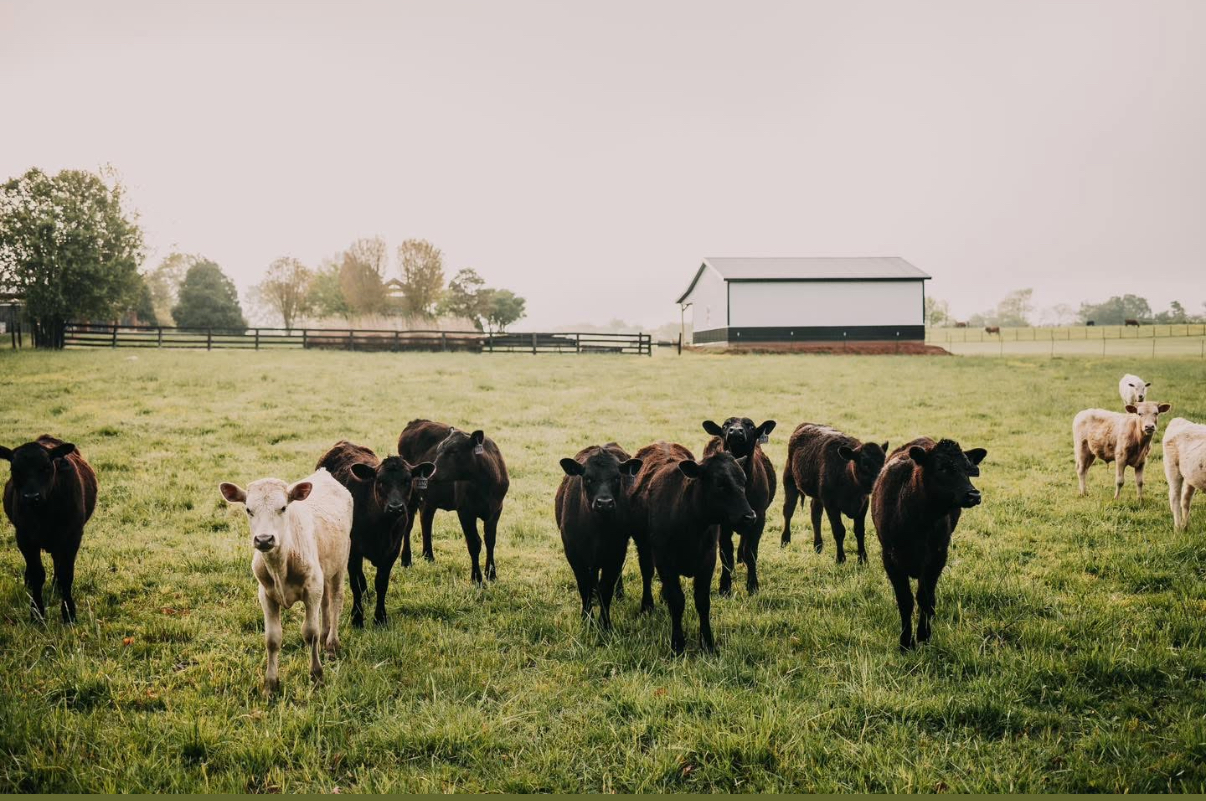
It’s easy to blame rising food costs on farmers. But the truth is simpler – and starker: the system is built for scale, not for real food, real land, or real people.
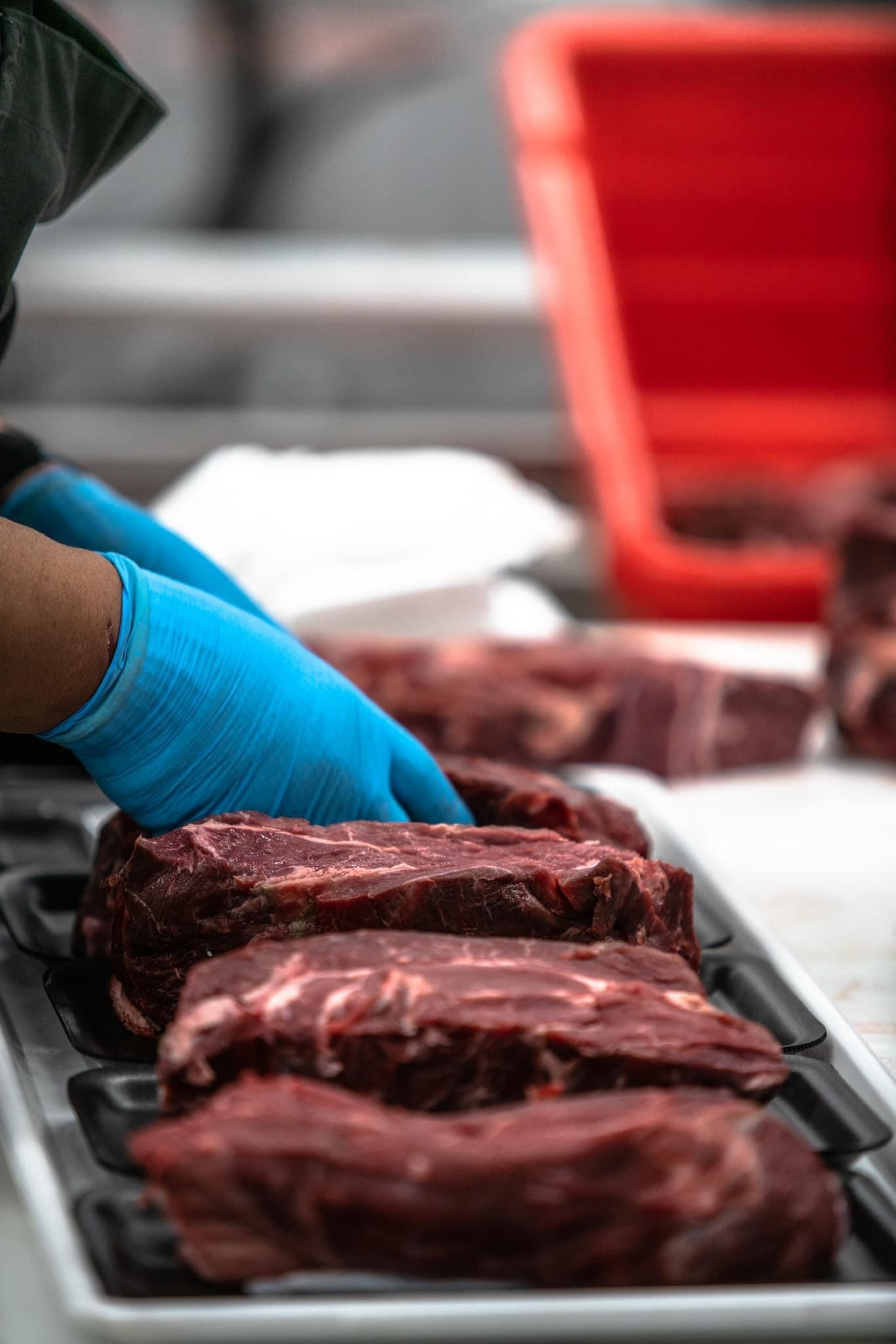
Across much of the world, a handful of corporations control most of the meat supply. In the United States alone, four companies dominate the industry. They set the prices, lobby the lawmakers, and dictate the rules that everyone else must follow. Those rules almost never favour the people actually raising the animals.
Consumers see only the shelf price. They don’t see the farmer or rancher forced to sell below cost. They don’t see abattoir closures that strip regions of local processing options. They don’t see the burnout of people who just wanted to feed their communities honestly.
“Cheap meat” comes with hidden costs – paid in rural livelihoods, animal welfare, and food sovereignty.
What food sovereignty really means
Food sovereignty isn’t just a political slogan. At its core, it’s something far more grounded.
It means farmers, ranchers, and communities – not corporations or distant bureaucracies – have control over how food is raised, processed, and shared.
It’s the freedom to feed ourselves in ways that honour the land, the animals, and the people who care for both.
It also means we as consumers have the freedom to choose real quality, to know where our food comes from, and to understand exactly what’s in it. That freedom is eroded when a handful of companies dictate how food is produced and what choices reach the shelf.
Food sovereignty is not about romanticising a self-sufficiency fantasy either. It’s about resilience and local control – neither of which scale well in corporate hands.
Food sovereignty isn’t just about who grows our food – it’s about who gets to decide what food is produced, how it’s raised, and whose hands it passes through. Right now, that power sits with a handful of corporations, not with communities. And when farmers lose their autonomy, consumers lose their choices.
What we lose if we don’t act
When small farms and ranches disappear, the cost is not just economic. We lose:
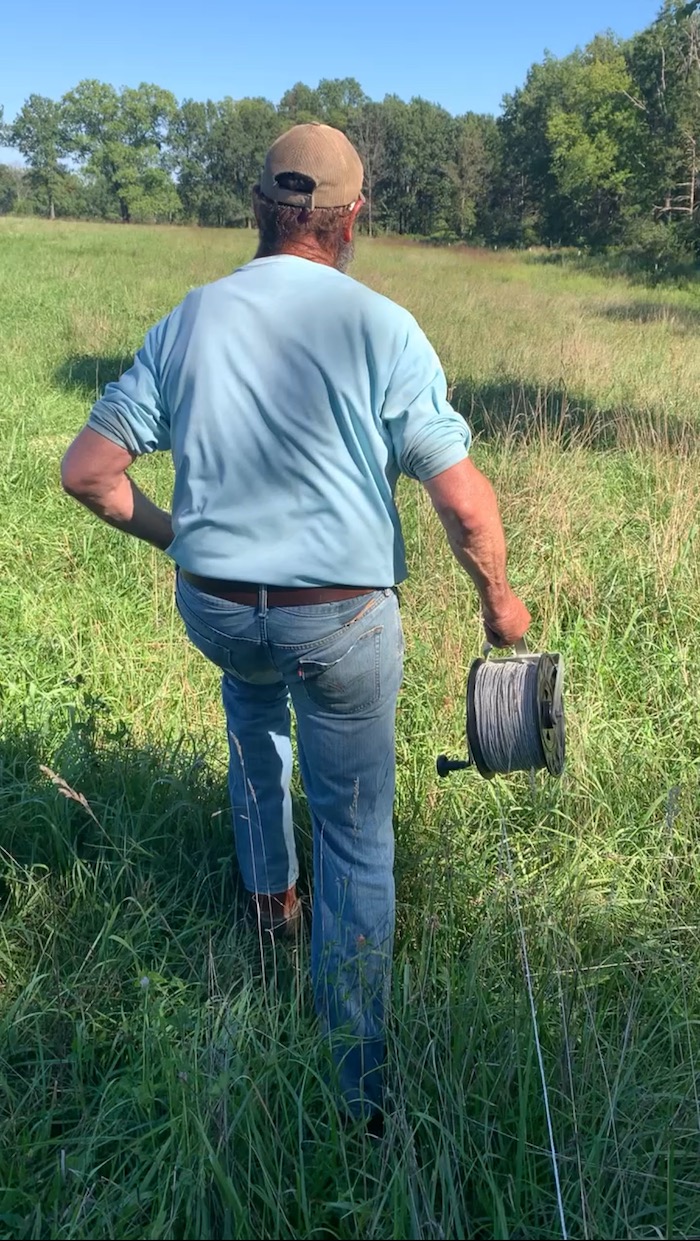
- intergenerational knowledge
- local food security
- connection to the people who feed us
- diversity in farming practices
- healthier, more humane systems of care
The collapse of small farms and ranches strips communities of independence, dignity, and wellbeing.
Keeping real food local is not a lifestyle choice – it’s a form of stewardship.
Every time someone chooses to buy from a local farmer rather than a corporation, they vote for:
- rural livelihoods
- ethical animal care
- better land management
- genuine food sovereignty
This is what “cheap meat” hides.
This is what small-scale farmers and ranchers pay for.
And this is what we stand to lose if we don’t make different choices.
The future of real food depends on the farmers and ranchers who pay the real price – and on communities willing to stand with them.