Tiny boots and Yule boars: how turkey and ham won Christmas
27 November 2026
Turkeys once walked to London in tiny boots, and ham began as a midwinter boar feast. Here’s how both won Christmas, how modern farming changed them, and why the old way is still worth finding.
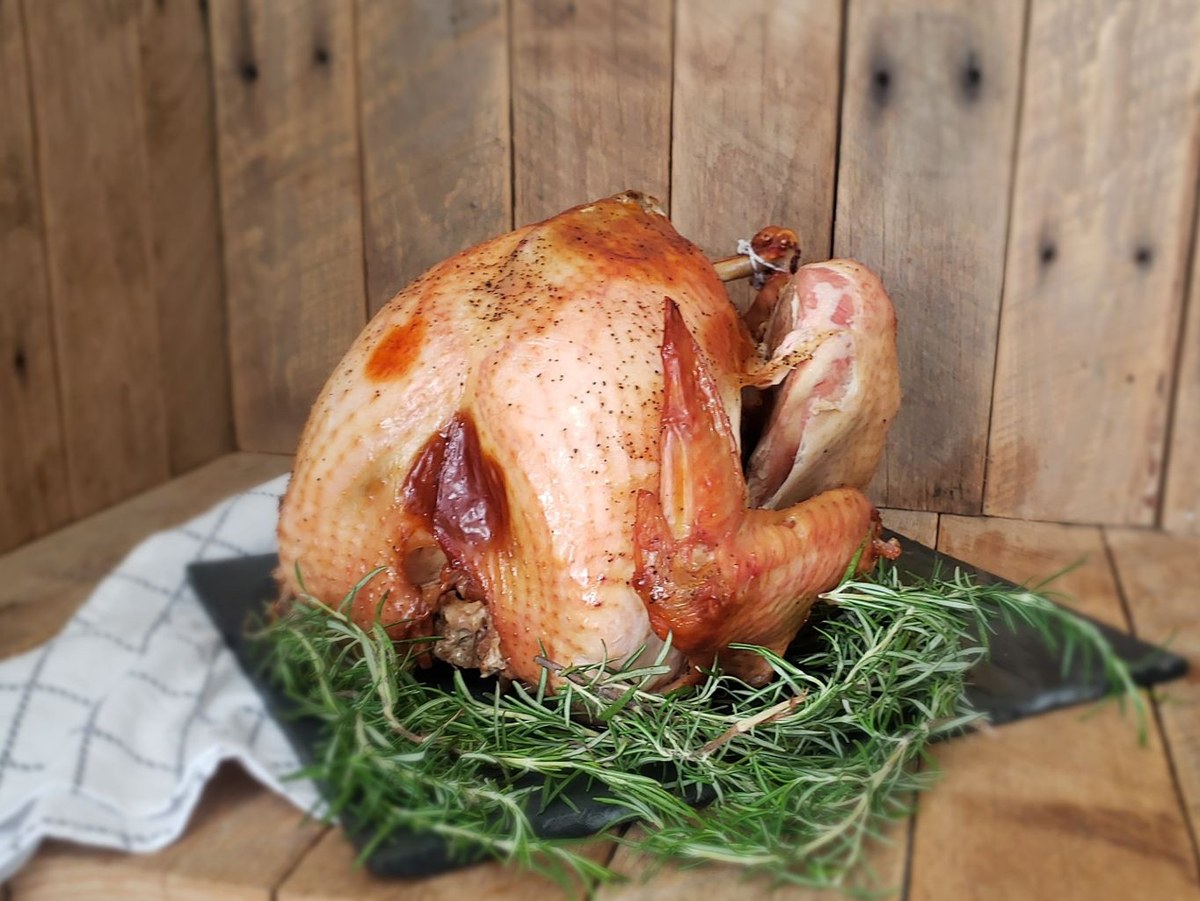
Picture a dusty road in Norfolk, England, sometime in the 1700s. A thousand turkeys are marching towards London. Some of them are wearing tiny leather boots.
This is how Christmas dinner used to get to the table.
Turkey and ham feel like they’ve always been there – as fixed as the tree and the crackers. But the story of how they got onto our plates is far stranger than most of us realise. And what’s happened to them in the last 70 years is stranger still.
First, a word about Thanksgiving
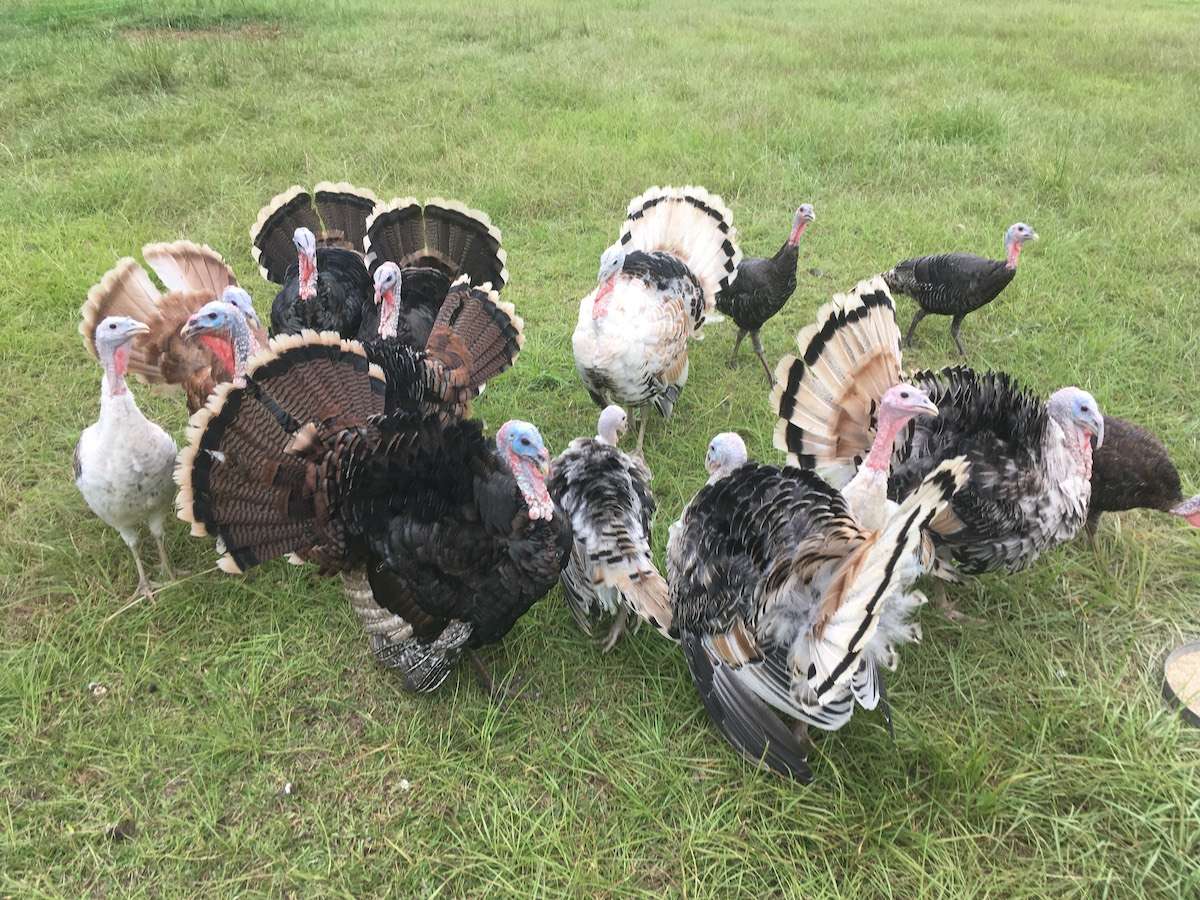
Ask most Americans why they eat turkey at Thanksgiving and they’ll point to the Pilgrims. But the Pilgrims never wrote down a turkey dinner.
There are only two first-hand accounts of the 1621 harvest feast. In one, Edward Winslow wrote that the governor sent four men out “fowling”, and that the Wampanoag leader Massasoit arrived with about 90 men – who went out and came back with five deer. The party lasted three days.
Wild turkey may well have been in the mix. Governor William Bradford wrote of a “great store of wild turkeys” that autumn. But the only meat anyone named for the feast itself was venison.
The real champion of the Thanksgiving turkey was a magazine editor called Sarah Josepha Hale. She put turkey at the head of the table in her 1827 novel Northwood, then spent 36 years writing letters to presidents, demanding a national holiday. In 1863, Lincoln finally said yes. Her turkey came along for the ride.
The bird that walked to London
Turkeys are American birds. They reached England in the 1520s, and they made quite an impression: William Strickland, one of the men credited with bringing them over, put a turkey on his family’s coat of arms.
By the 1700s, Norfolk and Suffolk were raising turkeys for London on an astonishing scale – one often-quoted figure is around 250,000 a year by 1720.
There were no trucks, no trains, no fridges. So the turkeys walked.
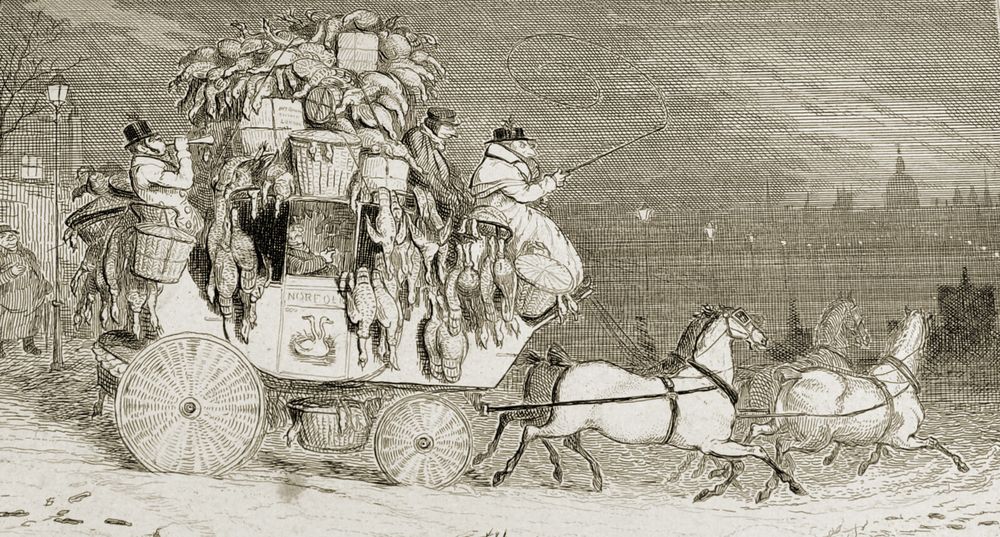
Drovers herded flocks of up to 1,000 birds more than 100 miles to the London markets. To stop their feet wearing out on the rough roads, the birds were run through warm tar and sand, or fitted with tiny leather boots.
By the 1830s there was a faster way. At Christmas, turkeys could be killed in Norfolk and sent to London by stagecoach instead – so many that they hung from every part of the coach.
Even after all that effort, most people couldn’t afford one. In Victorian England, the Christmas bird for ordinary families was goose – and many paid into a “goose club” all year just to be sure of getting one.
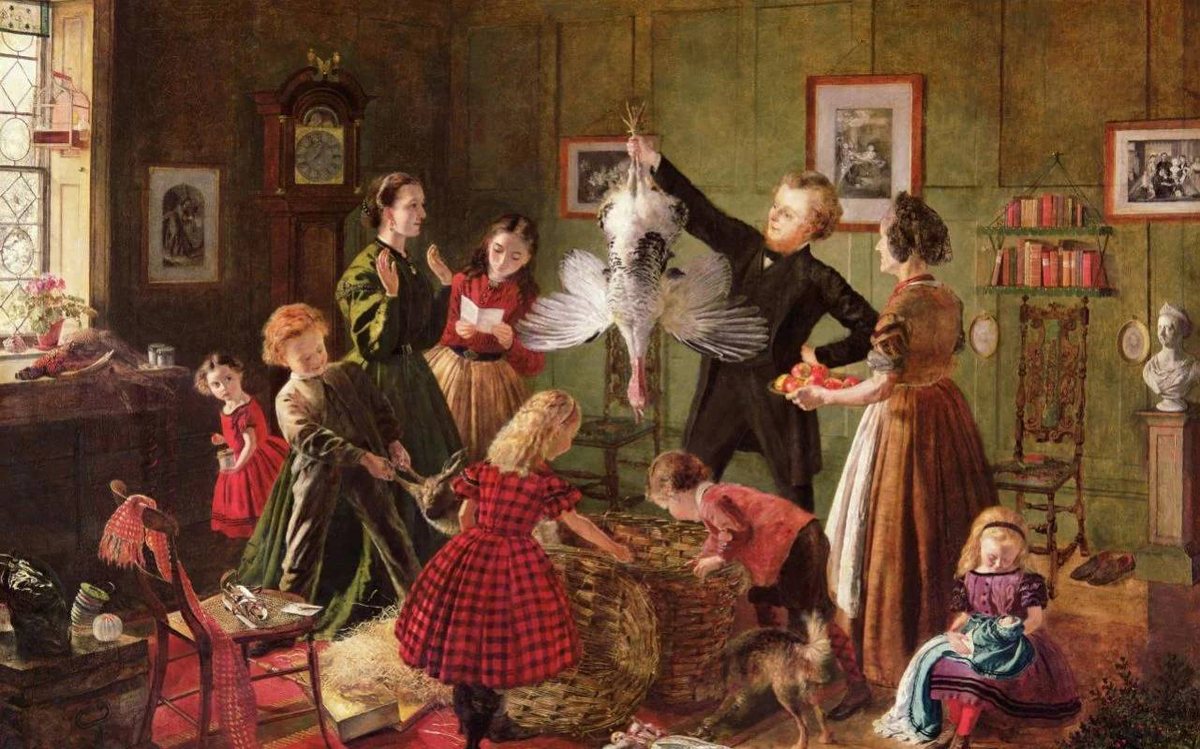
You can see it in Dickens’ A Christmas Carol. The Cratchits stretch a small goose to feed the whole family. When the reformed Scrooge wants to show how much he’s changed, he sends them a prize turkey. That was the luxury.
The royal family served turkey at Christmas in 1851, and the fashionable followed. But for most British families, turkey only took over in the 1950s, once post-war farming made it cheap.
The ham has even older roots
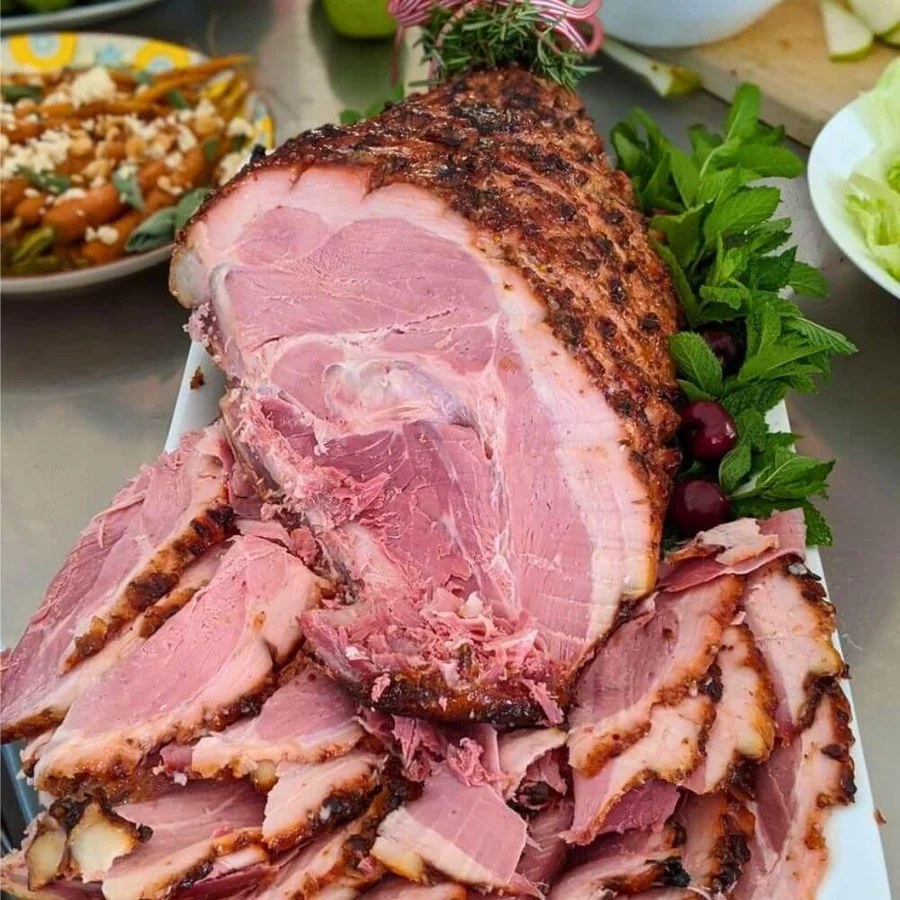
Long before Christmas, the people of northern Europe were feasting on pork in midwinter. In Germanic and Norse traditions, a boar was sacrificed to Freyr, a god of harvest and fertility – and that feast is thought to be where the Christmas ham began. The boar carried on into Christian times and stayed at the heart of medieval Christmas feasts – its head carried in on a platter with an apple in its mouth.
The timing was practical. Pigs were killed in late autumn, once they’d fattened up. A leg salted then was cured and ready by midwinter. With no way to keep fresh meat through the winter, a ham was something to look forward to – and Christmas was the time to bring out the best one.
In Australia and New Zealand, Christmas lands in summer – and many families turn the oven on anyway. In Retail Meat New Zealand’s 2025 Christmas survey, almost half planned a traditional roast, while more than a third were firing up the barbecue. Pork or ham was the main Christmas meat for 30%, second only to lamb.
Then everything changed
For centuries, both were small-farm foods. Turkeys came in all sorts of breeds and colours, raised in small flocks. Hams were cured by the families and butchers who knew the pigs.
Then came the 20th century.
Meet the modern turkey
In the 1960s, one bird took over: the Broad Breasted White, bred to grow fast and carry an enormous breast. It does exactly that – and the bird pays for it.
That breast is so big the birds can’t mate naturally. Commercial turkeys are bred by artificial insemination: we’ve made a bird that can’t carry on its own species without us.
Their bodies struggle to keep up, too. According to RSPCA Australia, fast growth can bring lameness, heart failure, joint problems and broken bones as the birds become too heavy for their own legs. A Canadian study of more than 275,000 turkeys found over 70% had some level of mobility problems – and the fastest growers were the worst affected. They’re too heavy to fly.
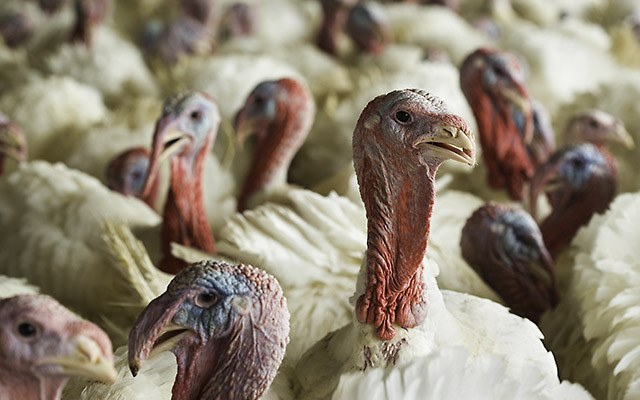
They’re not even known for flavour. The modern turkey was bred for maximum meat at minimum cost, and chefs have noticed.
Then there’s the risk nobody sees. More than 99% of American turkey breeding stock now comes from a few strains of this one bird. Researchers have warned that this narrow genetic base leaves the whole population vulnerable to disease – the way past blights devastated genetically uniform crops of potatoes, wheat and corn. When every bird is nearly the same, one disease can reach them all.
The old breeds – Bronze, Bourbon Red, Narragansett, Norfolk Black and others – are the opposite. They still mate on their own, grow slowly and live longer outdoors. DNA testing has shown some are only distantly related to commercial strains, which makes them a store of genetic diversity the industry may one day need. By the end of the 20th century, most were close to disappearing. Many are still here because small farms refused to give them up.
And the modern ham?
Many are injected with brine, which keeps them moist – and adds weight you pay for. In the US, the label quietly tells you how much water you’re buying. “Ham” must contain at least 20.5% protein. “Ham with natural juices” has a little water added. Go low enough and it has to be sold as “ham and water product”, with the percentage of added ingredients printed on the label.
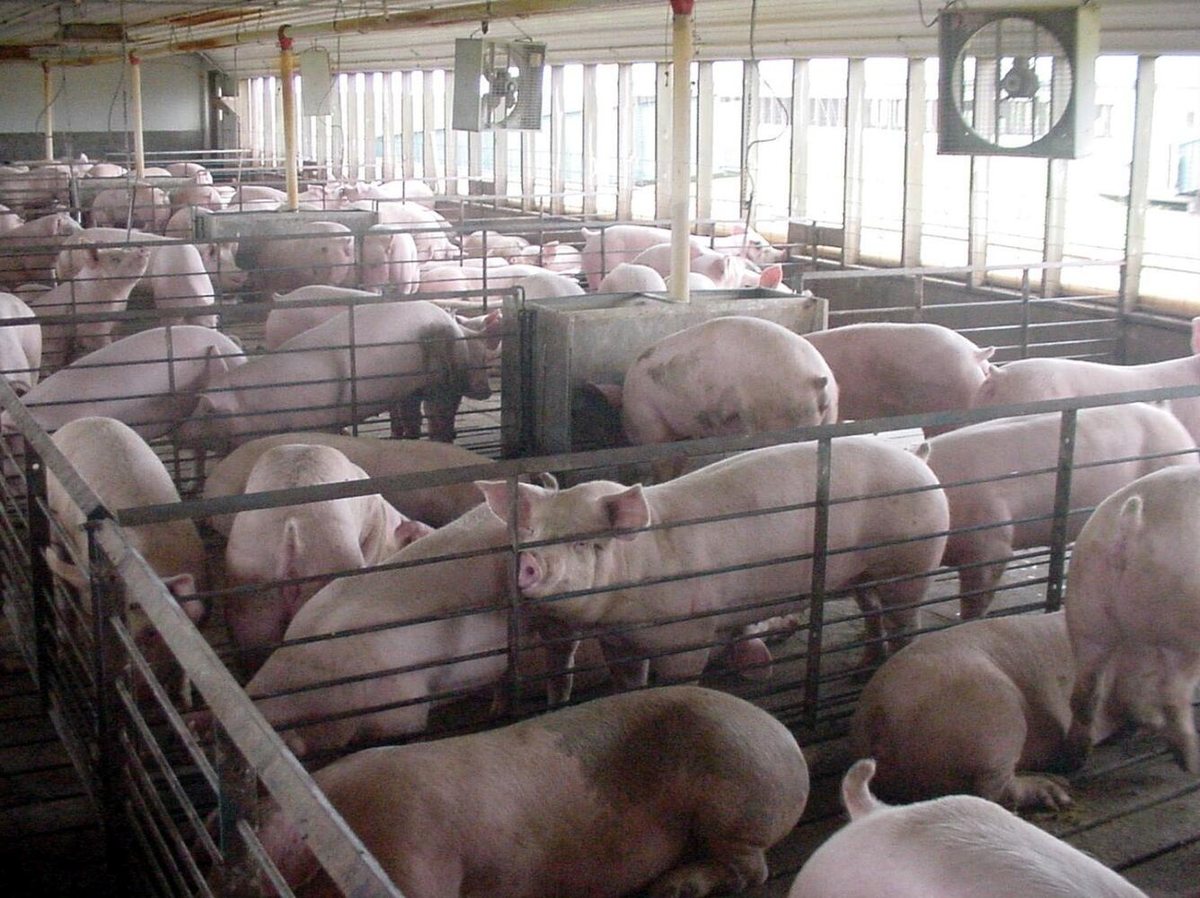
In New Zealand, the bigger surprise is where the pig came from. Most hams bought in New Zealand are from pigs raised overseas, imported from about 25 countries. If the label says “made in New Zealand from local and imported ingredients”, the pork is probably imported.
And it matters how those pigs lived. Over 90% of imported pork comes from countries that allow sow stalls and farrowing crates. Sow stalls – cages so tight a pregnant sow can’t turn around – are banned in New Zealand. A ham that says “made in New Zealand” can come from a farming system that would be illegal on a New Zealand farm.
The old Christmas is still out there
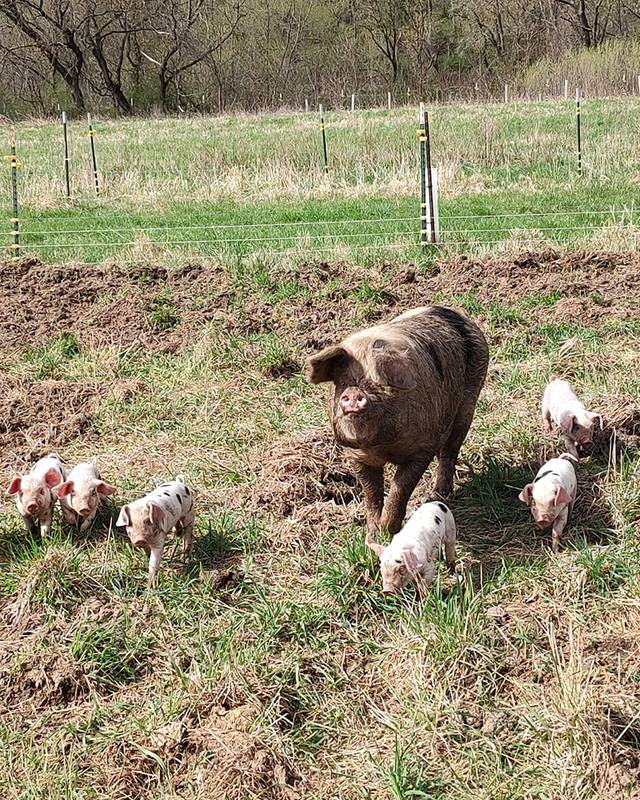
A few hundred years ago, Christmas dinner was local because it had to be. The turkey walked in from a farm down the road. The ham came from a pig someone knew.
You can still eat that way. Independent ranchers, homesteaders and butchers still raise heritage turkeys and pastured pigs, and some still cure their hams slowly, the old way. They only raise so many for Christmas, so it pays to ask early.
Ask whether the turkey can walk. Ask where the pig was born. Then put a Christmas dinner on the table that comes with a story you actually know.