Reynolds Butchers – trust, tradition & real food
30 December 2025
In an industry increasingly dominated by scale, speed, and anonymity, this small Lancashire butcher shop has chosen a different path – one shaped by clear standards, personal responsibility, and long-term trust with the people it feeds.
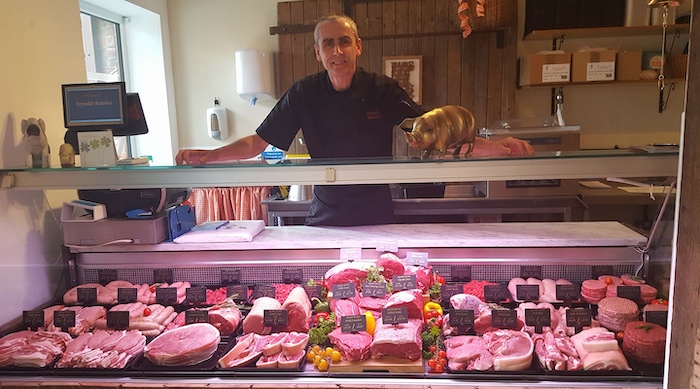
Helen and Tony Reynolds run Reynolds Butchers in Parbold, West Lancashire, UK – a boutique butcher shop sourcing meat exclusively from farms within 20 miles of their door. It’s a deliberately small operation, but one rooted in standards that don’t bend.
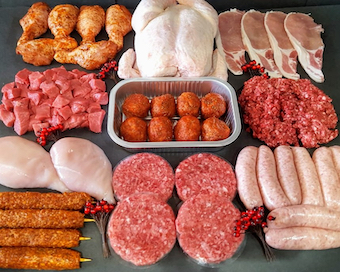
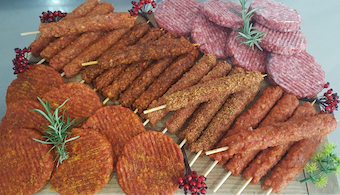
They sell beef, lamb, pork, chicken, turkey, and eggs, all chosen with care, and everything that can be made by hand is made by hand – from sausages to ready meals, right through to their own home-cured bacon.
It’s the kind of place where customers know exactly what they’re buying – and who they’re buying it from.
Starting small, staying honest
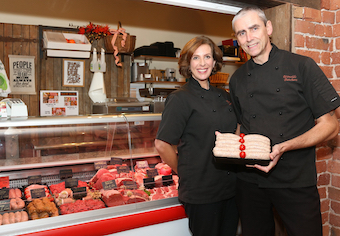
Reynolds Butchers didn’t come from a desire to scale, franchise, or maximise profit.
It came from frustration.
Tony had spent years working for other operations that quietly bought in cheap, imported meat – sometimes water-inflated or full of preservatives – and sold it as British produce at premium prices. He knew the standards being claimed didn’t match the reality behind the counter.
When the opportunity came to open their own shop, Helen and Tony took it – not for the money, but because it would let them do things properly.
They source locally. They price honestly. They refuse shortcuts.
As Helen puts it:
We’ll never be rich as a result, but it pays the bills and we can both sleep with a clear conscience.
Quality, ecology & handmade food
What matters most to Helen and Tony is simple, and increasingly rare:
- Traditional, ecology-friendly local farming
- Grass-fed, high-quality meat
- Handmade, in-shop production
- Cleanliness, transparency, and consistency
Their shop has always held a 5-star environmental health rating, and it’s never slipped. Customer reviews tell the same story – hundreds of them, consistently rating the shop at five stars.
Trust isn’t something they ask for. It’s something they’ve earned, one customer at a time.
Food, health & responsibility
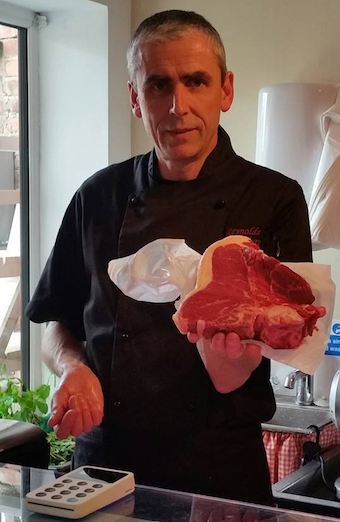
Both Helen and Tony are carnivoresThe carnivore diet is a way of eating that focuses on animal-based foods only, such as meat, with optional seafood, eggs, and dairy. Many people adopt it for health or healing reasons., and that personal relationship with food shapes everything they do.
They see, every day, how disconnected people have become from what they eat – lulled into ultra-processed foods for convenience, engineered to be habit-forming rather than nourishing.
What they wish more people understood is the direct relationship between food and health.
They want people to know that buying and preparing whole foods isn’t complicated. It doesn’t require special products or ideology. But it does support metabolic health, and it does reduce the risk of chronic conditions like Type II diabetes.
Traditional, regenerative farming – and the local food systems built around it – aren’t nostalgic ideas. Helen and Tony believe they’re essential if we’re serious about reversing current health and environmental trends.
A butcher shop at the centre of the community
Reynolds Butchers stays connected in the most old-fashioned way possible: face-to-face, across the counter.
Facebook helps, but the real connection happens in the shop – conversations, questions, familiar faces returning week after week.
That sense of relationship is what sustains them, especially on the harder days.
The positive feedback from customers.
The strength of their convictions.
The small, supportive team behind the counter.
To Helen and Tony, it’s everything.
When community really matters
One moment stands out for Helen and Tony as a reminder of what community truly means.
During lockdown, when supermarket deliveries simply weren’t available to many people locally, Reynolds Butchers teamed up with their local greengrocer and bakery. Together, they made sure people could still access the basics – with no delivery charges.
Volunteers stepped in to help distribute orders. No one was left without food.
Helen says:
You really understand the real meaning of community and who you can rely on at times like that. We’re so grateful for the challenges it presented – and the heroes who were revealed.
More than a transaction
What Helen and Tony hope people feel when they buy from local farmers and suppliers like them isn’t just satisfaction with a purchase.
They hope people feel trust.
They hope people feel connected.
They hope people feel like participants, not consumers.
Helen says that in a world increasingly dominated by corporations and faceless systems, those values matter. They’re part of what keeps us human – and part of the foundation that real food, and real communities, are built on.
localFoddr Magazine does not take payment for articles. Every story is independent, unpaid, and published because it matters – not because someone paid for it.