Bernal Homestead – silvopasture, clean meat & practical grazing
21 December 2025
Raising Dexter cattle, Kunekune pigs, heritage turkeys, and guineas, the Bernals focus on soy-free, GMO-free feed, rotational grazing, and producing meat they’re comfortable putting on their own table first.
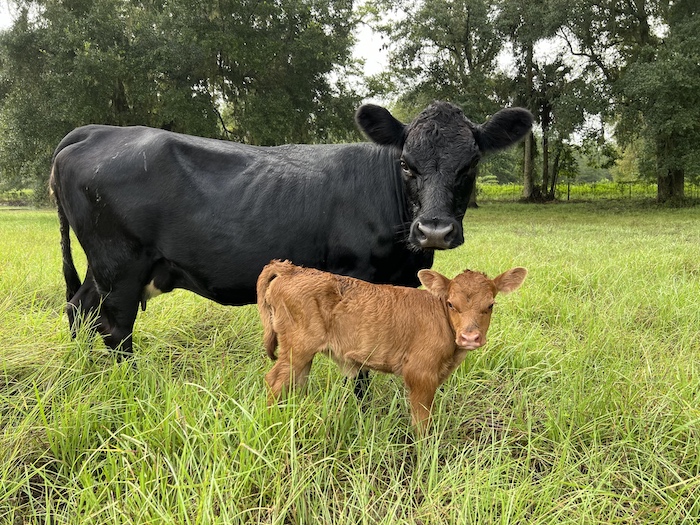
Bernal Homestead sits on 70 acres of silvopastureA land-management system that integrates trees, pasture, and grazing animals to improve shade, forage, and soil health. in Live Oak, Florida, where Jeremy Bernal and his wife raise cattle, pigs, and poultry in a way shaped by the land and by their own needs. What began with a move to rural property and the practical goal of clean, reliable meat gradually became something larger as people started asking to buy what they were already producing for themselves.
Their first farm eventually became too limited as development moved in around them. They relocated to a property more than three times the size – land with room to graze, build, and manage livestock on their own terms. Today the homestead includes Dexter cattle, Kunekune pigs, chickens, heritage turkeys, and guineas.
A practical way of raising food
The Bernals keep their approach straightforward: animals are raised outdoors on grass, forage, shade, and space. Their system avoids soy, GMOs, mRNA products, Bovaer, and confinement barns, and they rely on natural breeding to maintain hardy genetics.
As Jeremy puts it:
Good food is not cheap, and cheap food is not good.
That line sits at the heart of how they farm. Producing animals this way takes time, land, and careful management. It means avoiding the subsidised, chemical-heavy feeds and indoor systems that dominate industrial meat production. For the Bernal couple, the goal has always been to raise the kind of food they want on their own table first.
Soil, silvopasture, and the rhythm of the land
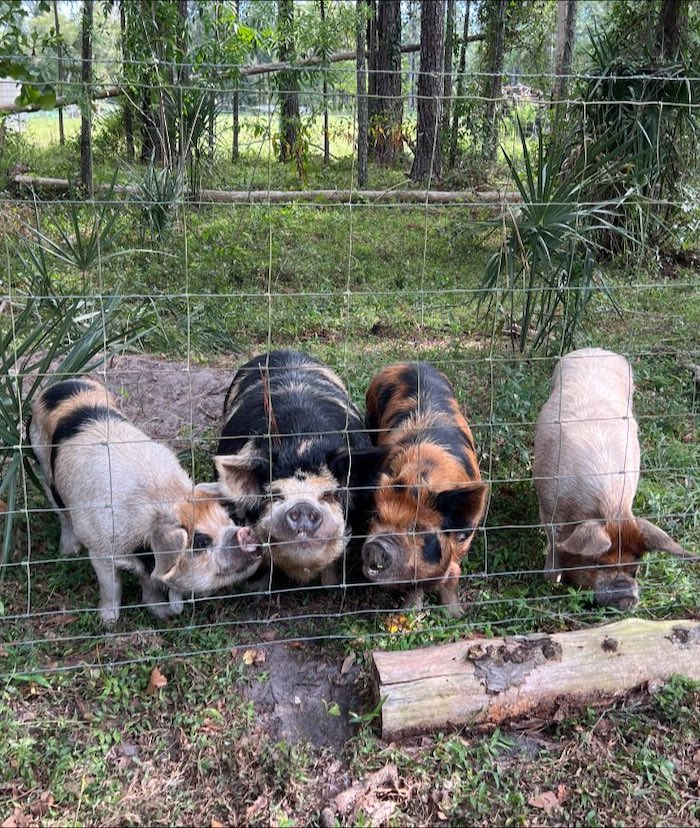
Their land is unusual for this part of Florida: rich, dark soil instead of sand, fed by mineral-bearing spring activity. The couple works to maintain that benefit by keeping native plants intact, rotating animals in patterns that prevent overgrazing, and letting different species contribute to land care.
Cattle and pigs help manage weeds through natural impact rather than chemicals, and hay is only cut when the grass grows ahead of the herd. The result is a landscape managed with intention rather than speed.
Jeremy’s practical, system-building mindset shows up throughout the farm. Over time he designed shelters, feeders, and tools that made the daily work smoother.
Those designs eventually became the basis of two books he authored:
- Easy Build-it-Yourself Homestead Designs
- The Freedom Ranger Blueprint
Both grew out of the same approach that shapes the farm itself – building systems that work, day after day.
Community and connection
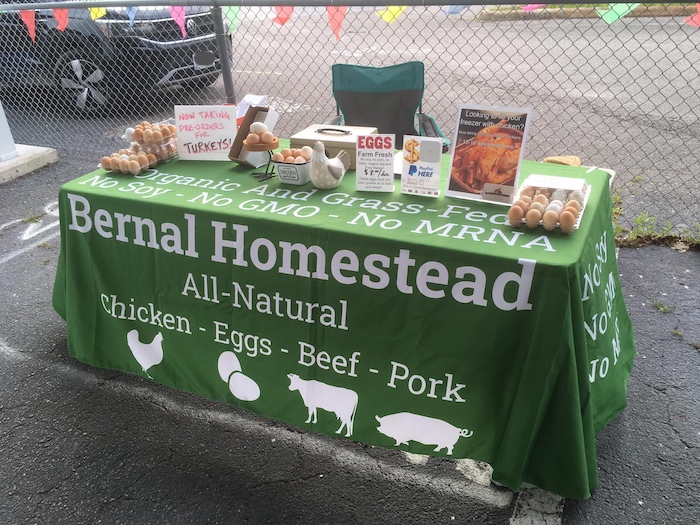
Most of Bernal Homestead’s connection with customers happens through Facebook and local farmers markets. It’s where people can ask questions, see the food being offered, and put faces to the work behind it.
Those exchanges are often simple: questions about feed, how animals are raised, what’s available that week. Over time, familiar faces return, and conversations pick up where they left off. It’s not just a place to sell food, but a place where trust is built slowly, one interaction at a time.
What steadies the days
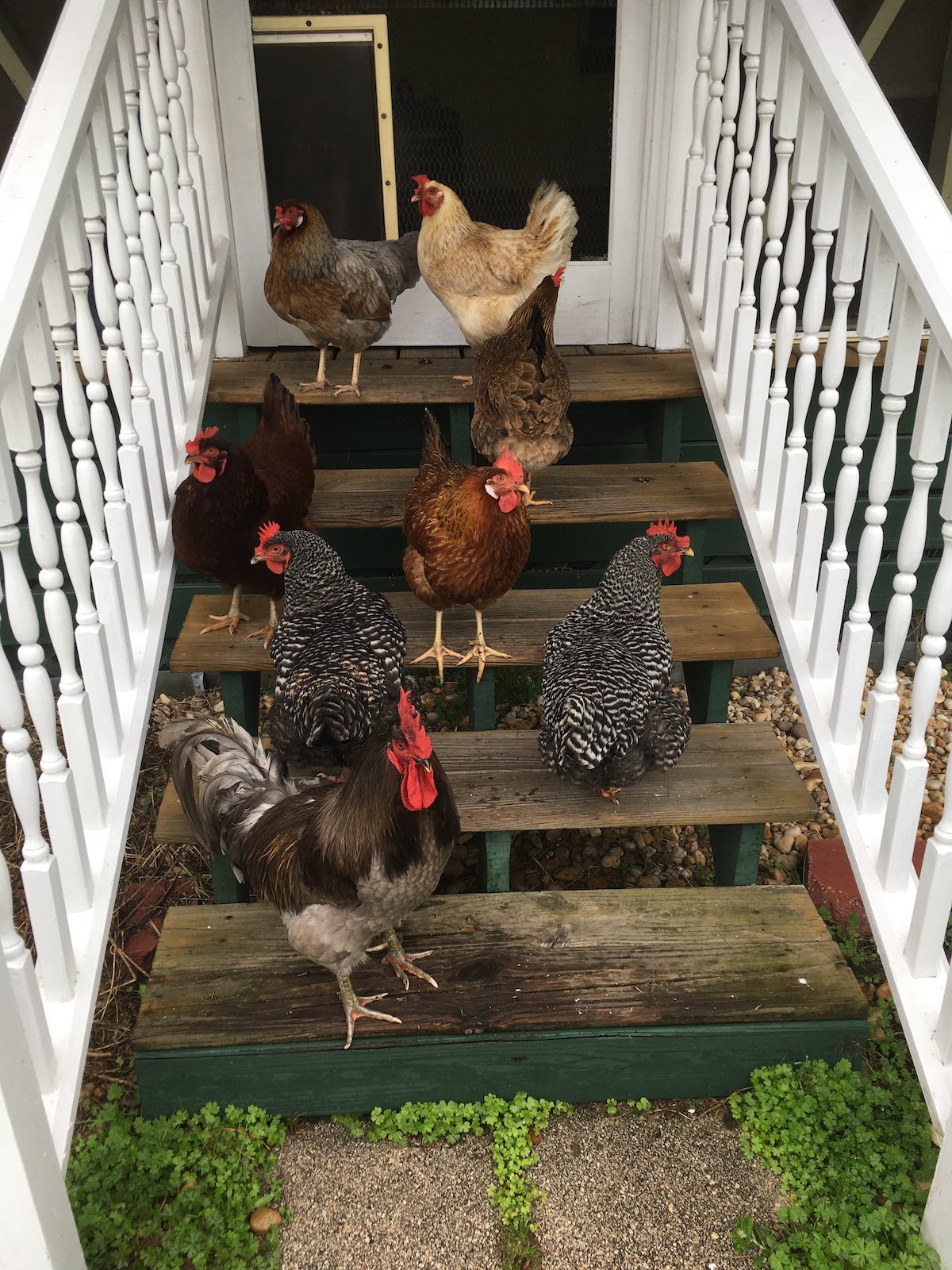
When asked what steadies the difficult days, Jeremy answered simply:
Chickens are my therapy.
The chickens are a constant presence around the house – appearing on the steps, moving through the yard, following familiar paths between feed, shade, and shelter. Over time, their habits become predictable, their personalities distinct, and their presence woven into the working day.
The birds interact with Jeremy as they move through the homestead with their own rhythm, marking the days in a way only someone who works alongside them comes to understand.
A place to stay
The homestead also hosts an RV farmstay tucked among their pecan orchard and silvopasture. Guests wake to birdsong, open pasture, and the quiet rhythm of a working homestead in northern Florida – a chance to see how food, land, and livestock come together in daily life.
localFoddr Magazine does not take payment for articles. Every story is independent, unpaid, and published because it matters – not because someone paid for it.