Longlane Farms – sustainability, quality & nourishment
2 December 2025 – updated 4 December 2025
A South Carolina farm with deep roots, raising Kiko goats for meat – a story of real food, honest work, and the moments that bring people together.
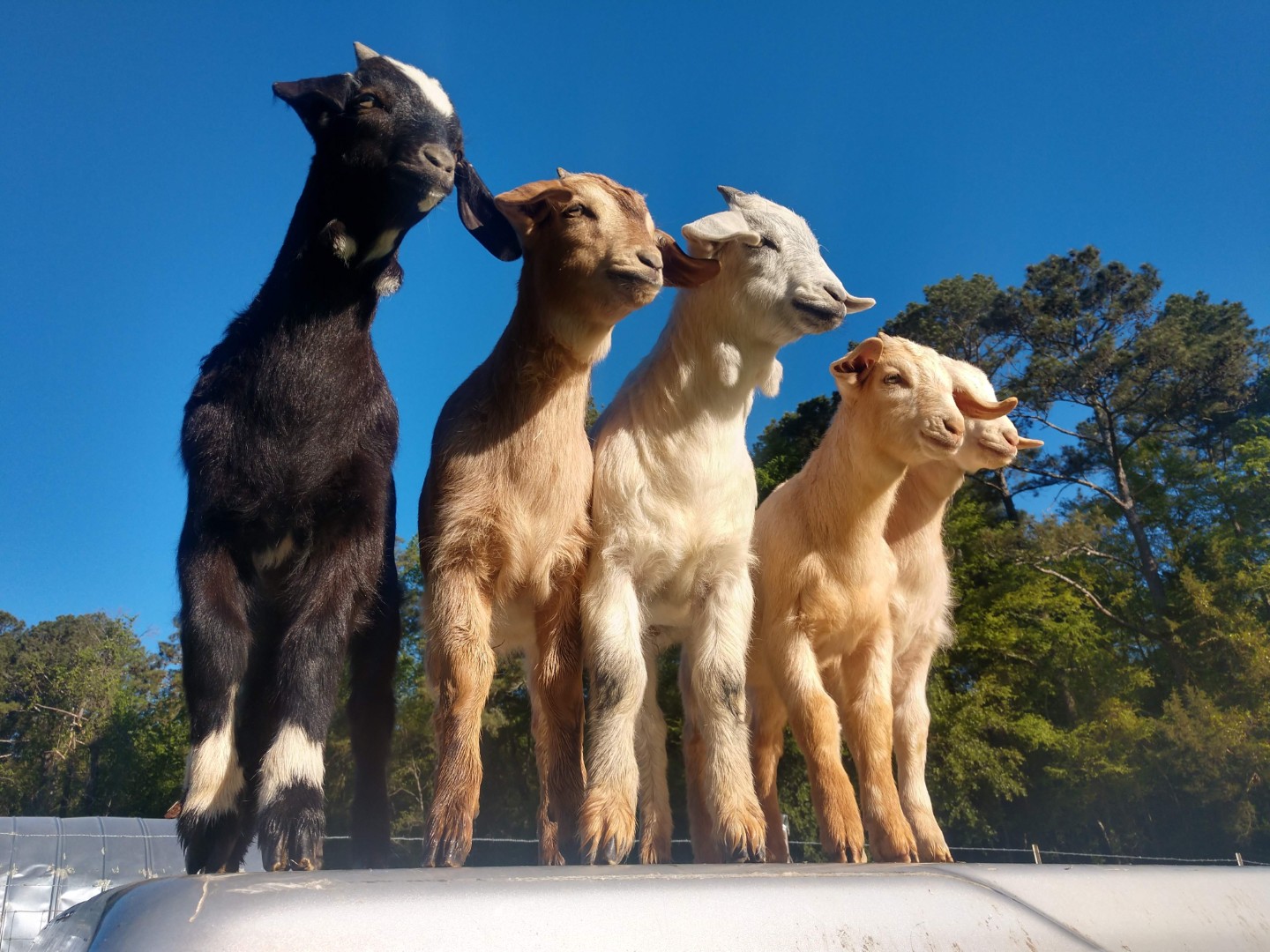
When Adam Hall took the time to answer my questions, it felt like a full-circle moment – because Adam wasn’t just any supplier. He was the first to list on localFoddr when it launched. Longlane Farms in Newberry, South Carolina, joined before most features existed, before anything had really begun.
And in many ways, Adam’s story captures exactly why localFoddr was created – real people, raising real food, with care that goes far beyond a product.
A fifth-generation farm with a long history
Adam’s family has lived on their land for more than 100 years, and the place itself carries its own story. Their farm sits along Old Buncombe Road, a historic east–west livestock route where drovers once bedded animals down on their way to market. Over time, the surrounding community became known as Long Lane – the origin of the name Longlane Farms.
It’s the kind of place where past and present overlap quietly: a thread of land, work, and memory that Adam’s sons now represent as the fifth generation to grow up there.
Why goats – and why Kiko
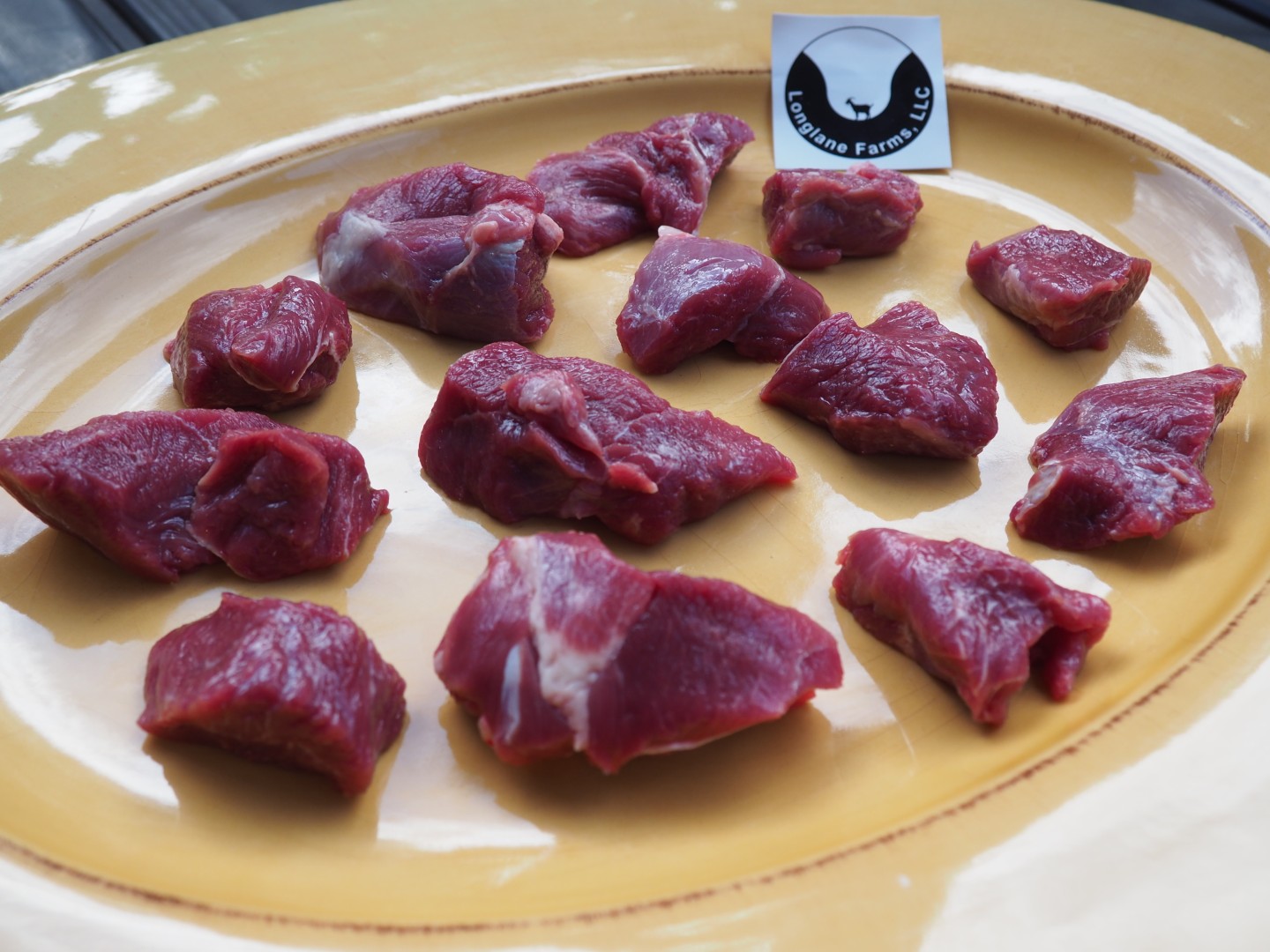
Nearly a decade ago, the family made a decision that would shape the future of the farm: they began raising Kiko goats for meat.
Part of that choice was simple – they genuinely enjoy goat meat themselves and have never understood why it isn’t more common in America. It’s nutrient-dense, deeply flavourful, and somewhere between beef and venison, with a hint of lamb depending on the age of the animal and how the meat is handled.
But the choice was also practical and principled.
Goats are easy on the land, with narrow hooves that don’t compact soil. They’re naturally curious, social, intelligent animals that are enjoyable to work with. And Kiko – originally from New Zealand – are especially hardy. They have strong parasite tolerance, excellent mothering instincts, and a “will to live” that makes them ideal for sustainable, small-scale meat production.
For the Hall family, raising goats wasn’t a trend or a niche idea. It was a return to something more grounded and aligned with the land they care for.
“One is a product, and one is nourishment”
When Adam talks about what matters most, three words rise to the top:
Sustainability. Quality. Nourishment.
Longlane Farms raises USDA-inspected Kiko goats without unnecessary additives or medicines – not because it sounds good in a headline, but because their own family eats from the same supply.
They raise just enough animals for their needs and their customers’ needs, allowing the rest to grow naturally. Nothing forced, nothing rushed.
Adam said something that gets to the heart of small-scale farming:
The difference in quality, experience, and nutrition between mass-produced feedlot meats and bespoke hand-raised meats… one is a product, and one is nourishment. There is a difference, and it matters more than most realize.
That line could be the thesis of half the Magazine.
A picnic under the pecan trees
Every farm has a moment that captures everything – a small scene that holds something bigger. Adam shared one of those moments.
A large family from Atlanta, originally from India, found Longlane Farms online. They were on their way to Myrtle Beach and stopped by to collect goat meat they’d ordered.
Instead of a simple pickup, the visit turned into something unexpected.
They spread out a picnic blanket under the pecan trees, shared food, talked with Adam’s family, and watched the children from both families wander and play as though they’d known each other for years.
Warm breeze, good food, goats grazing in the background – a meeting of cultures, stories, and families that would never have crossed paths otherwise.
Adam summed it up perfectly:
Food brings us together and can really create some neat opportunities to learn from one another and share experiences.
This is the part of farming that never makes it into spreadsheets or supply chains – the simple, human moments that remind you why real food matters.
Community, even when it’s not nearby
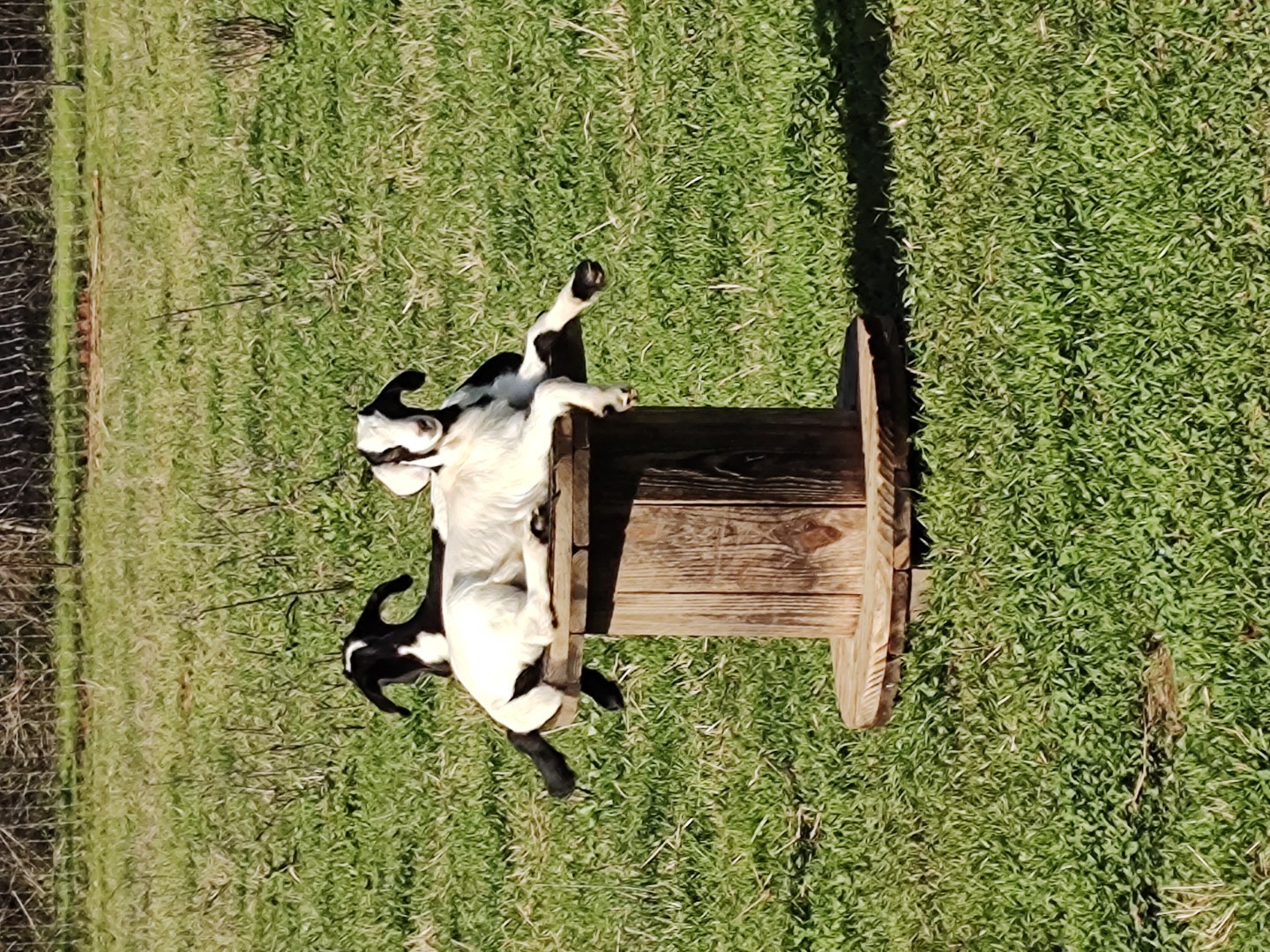
Goat meat isn’t a traditional choice for many Americans, and Longlane Farms isn’t always strongly supported by their immediate community.
But community shows up in other ways.
Through 4-H, they help host chore day camps, and their sons are deeply involved in 4-H activities. And the customers who do find them – especially those seeking goat meat – often order from cities and states away.
Sometimes the closest community isn’t the one down the road – it’s the one that finds you because of what you raise and how you raise it.
What keeps them going
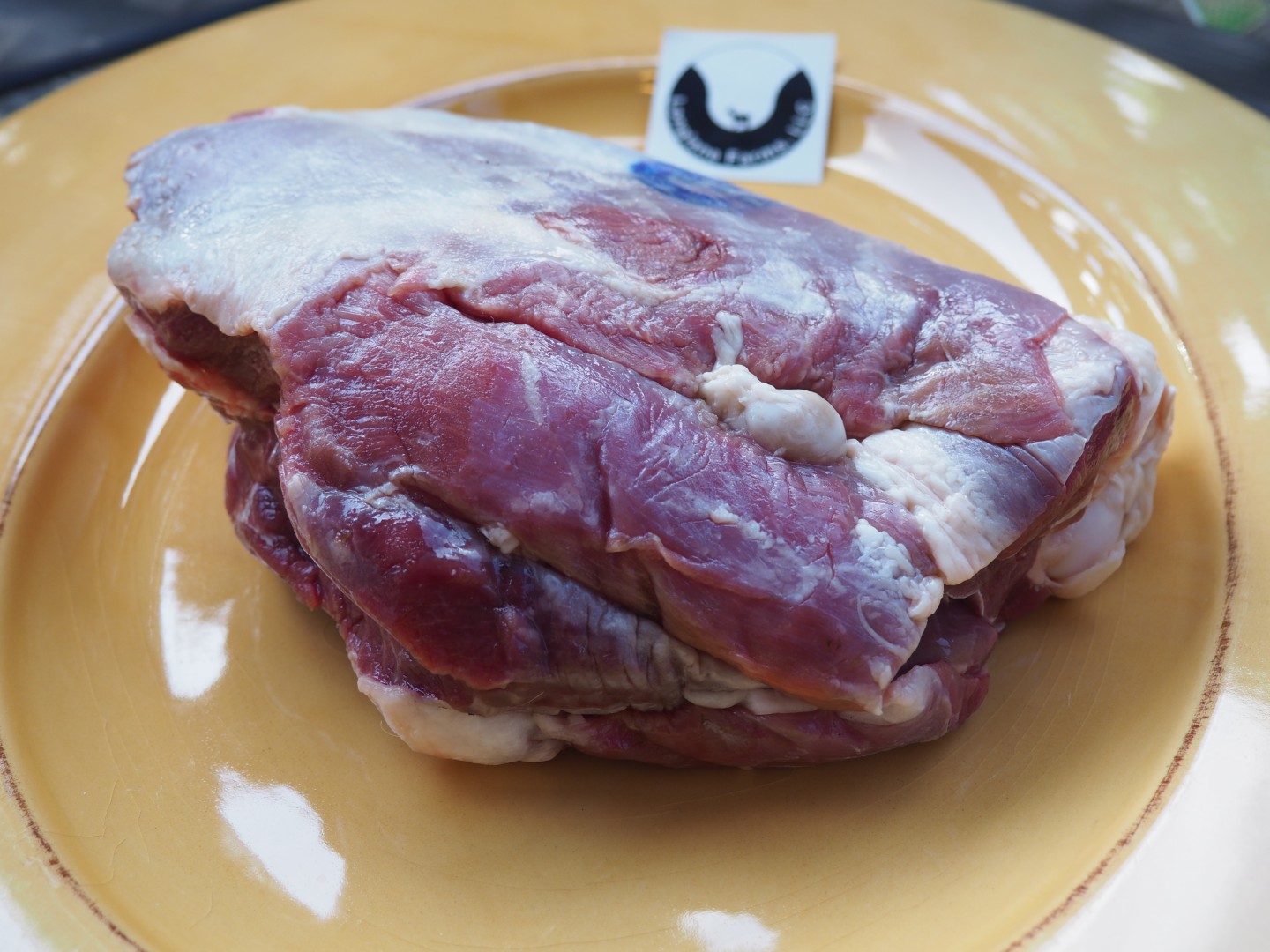
Farming isn’t romantic. It’s tough, repetitive, and demanding. But when asked what keeps them going on the hardest days, Adam’s answer was clear.
They enjoy their animals, and they enjoy the meat they produce. It gives them immense pride to know they’re feeding their own family – and their customers – the healthiest meat they can raise. Their animals have good lives, and that simple truth is enough to steady the hard days.
And it shows – customers become regulars very quickly.
localFoddr Magazine does not take payment for articles. Every story is independent, unpaid, and published because it matters – not because someone paid for it.