Beck Ranch – slow ranching, high pastures & beef from root to ribeye
17 November 2026
High in a mountain valley in Lonetree, Wyoming, Dana and Annalisa Beck raise grass-fed Black Angus, and now process it in their own USDA-inspected plant on the ranch.
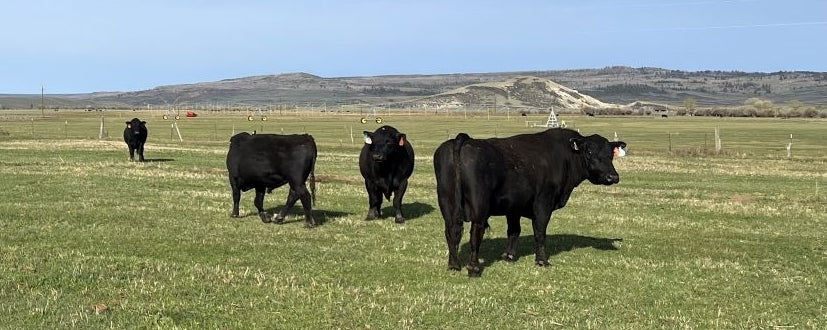
A little over ten years ago, Dana and Annalisa Beck bought a run-down ranch in a mountain valley in southwest Wyoming. As Annalisa puts it:
We moved from Utah to Wyoming and have never looked back to our cushy city lives.
Beck Ranch sits at around 8,000 feet in Lonetree, Wyoming. There, the Becks raise 100% grass-fed, grass-finished Black Angus beef and ship it to their customers’ doors across the US.
From city lives to 8,000 feet
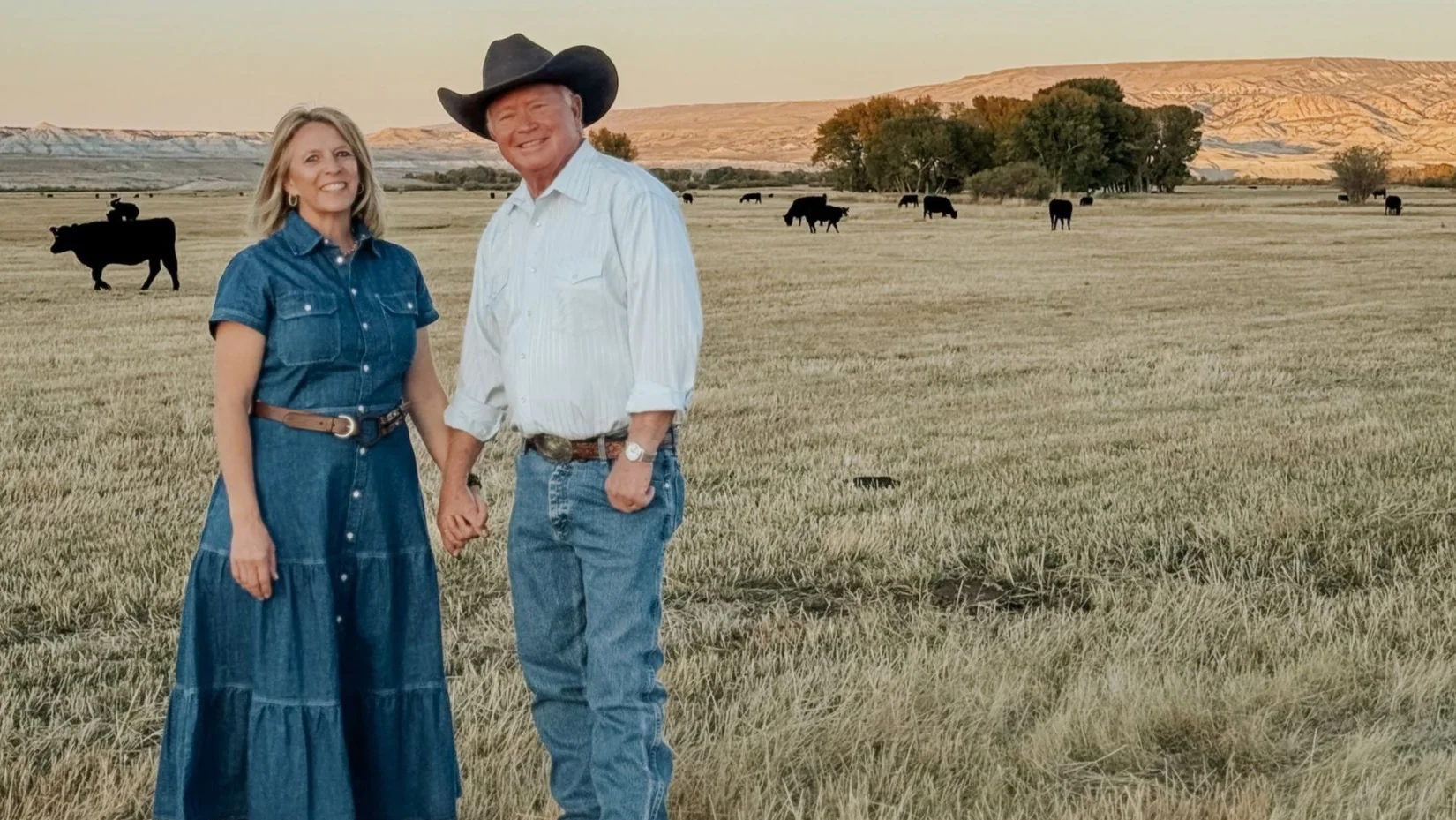
Dana has always had land and animals. Annalisa is an accountant. Neither of them was afraid of hard work – which was just as well.
The ranch they bought held 50 cows and needed work almost everywhere they looked. They rolled up their sleeves and did it themselves: remodelling the main house, repairing the original corrals, building guest cabins and adding a greenhouse.
Today the ranch produces five times the hay and cattle it did when they arrived. The Becks put that down to good land, good water and good grazing management.
It’s a family affair. Kids and grandkids help every day, learning to be the next generation of Beck Ranch ranchers. Gramps was head supervisor and wood splitter. In the family’s words, he “worked with us on the ranch until he passed away in the summer of 2022” – and “Having a purpose gave him ten more years of quality life!”
Time, not shortcuts
When I asked Annalisa what matters most to them about the way they raise food, she said:
Simplicity, quality, and doing it naturally. Time can make a much better product than hormones, grains, or other unnatural ways to fatten an animal.
That’s the Beck Ranch approach in a nutshell. Their cattle are never fattened on corn, grain or soy, and they’re raised without hormones or antibiotics.
Their ranching is slow and calm, with low-stress handling – good, as they say, for the cows and the cowboys.
A labour of love
For Annalisa, ranching is about care at every step:
It’s a labor of love. We truly care about each animal. We care about how they live, and are processed. We also care about each box that is shipped.
So what keeps Annalisa going on the tough days? Knowing that what they do matters. And some things, as Annalisa says, only a person can do:
Pulling a calf, feeding an orphan a bottle, packing a box with care can’t be replaced by AI.
Root to ribeye
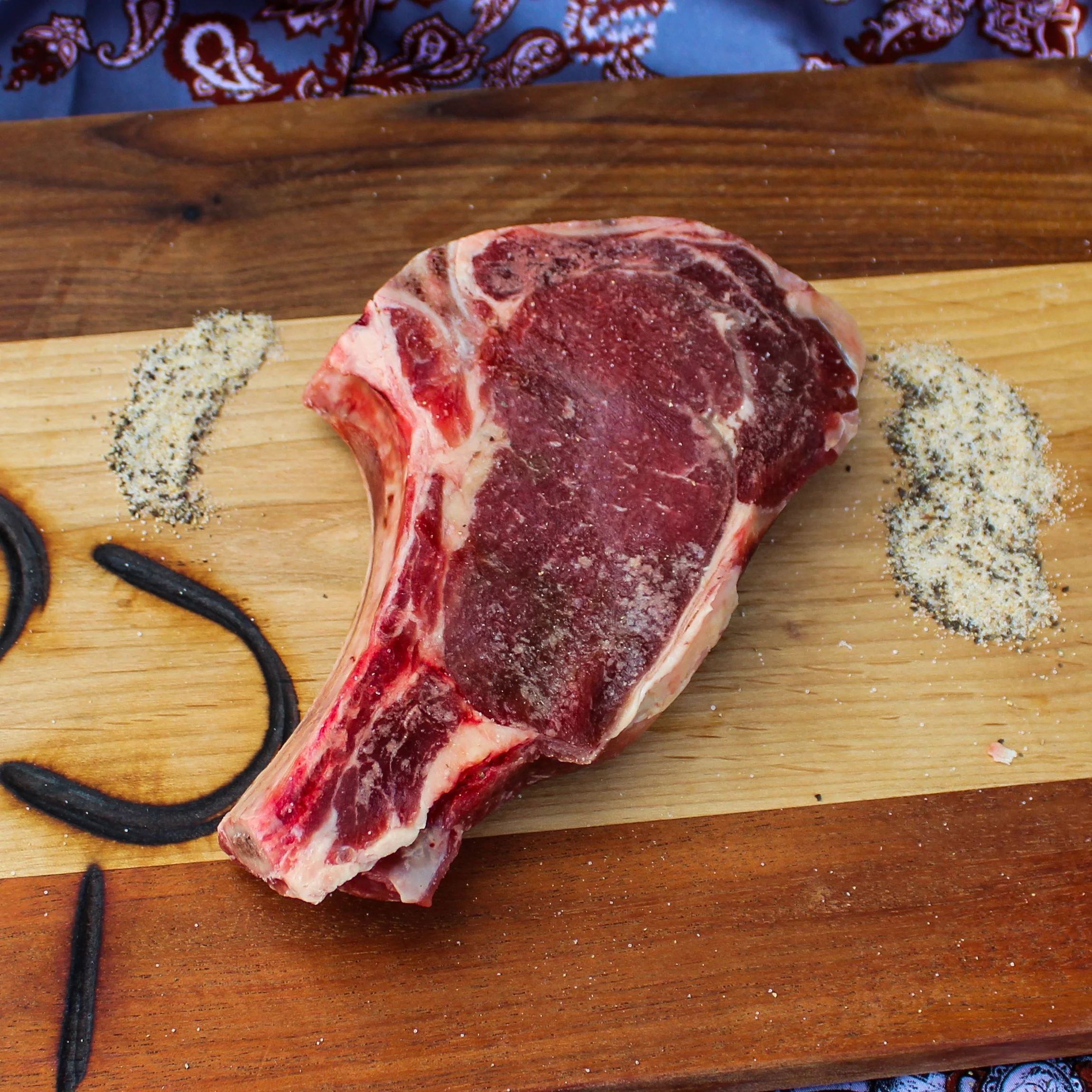
When Annalisa filled in my questionnaire, the Becks were building a USDA processing plant right on the ranch. She told me it would give them complete control “from root to ribeye”, and a lower-stress environment for their animals.
They’ve done it.
For about five years, the family spent a full day each month hauling cattle roughly three hours each way to the nearest USDA-inspected processor, in Grantsville, Utah. So they decided to build their own.
It took four years of research, permits and an enormous amount of their own hard work – Dana and their son did much of the building themselves. Now the cattle raised on Beck Ranch don’t have far to go. Every package is labelled with its cut and lot number, and neighbouring ranchers can bring their cattle to the plant too.
No middlemen. Just one family, one ranch, and every step in their own hands.
Roots that feed body and soul
I asked Annalisa what she hopes people feel when they buy from ranchers like them. She said people are starting to care more – about what goes into their food, how it’s grown, and who grows it.
Customers tell the Becks that their care comes through in every package. It’s summed up in their slogan:
It’s not just a package of meat, it’s roots that feed your body and soul.
From a run-down ranch to a family operation that handles every step itself, Beck Ranch is proof that putting down roots – and taking your time – makes all the difference.
localFoddr Magazine does not take payment for articles. Every story is independent, unpaid, and published because it matters – not because someone paid for it.